
|
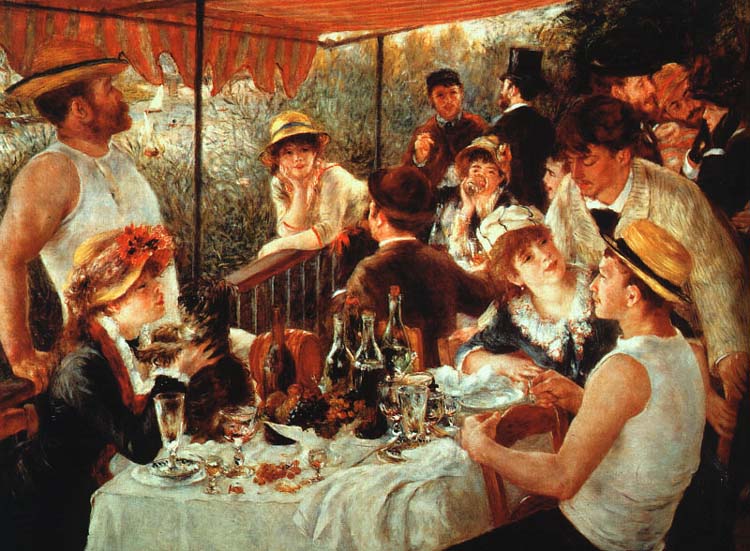
Ever since I saw my first Renoir, I fell in love with impressionism. The combination of patches of color and scattered light gave the paintings a kind of innocence. It moved me to discover rather than recognize what I was looking at. Here the familiar references were gone and I could wander. . |
The
Impressionist Movement
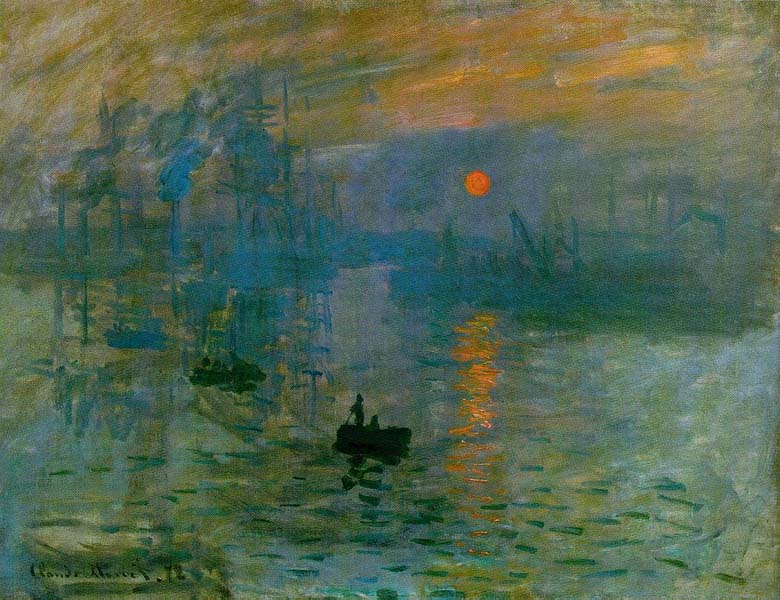
The Impressionist movement started in France during the late 19th century, where the volatile political and social climate provided a fertile soil for the birth of an art movement that went against the grain of the traditional. The movement's name came from Monet's early work, Impression: A Sunrise, which was singled out for criticism by an art critique, Louis Leroy, on its exhibition. This art at first was viewed as controversial and it was considered to threaten the values that fine art meant to uphold. Only when Camille Pisaro died in 1903 have the critics agreed that this movement was the main 19th century artistic revolution, and that all its members were among the finest painters.
 |
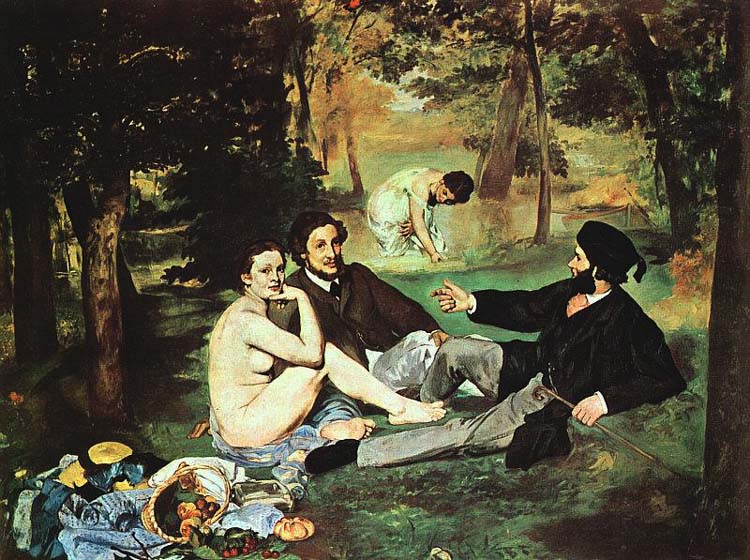 |
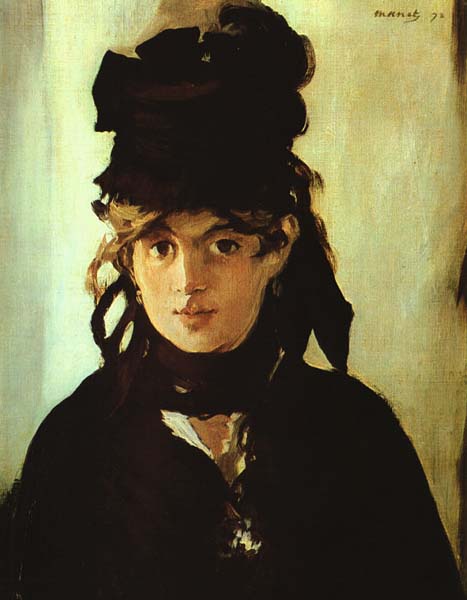
Édouard Manet is considered the inventor of modern art and the grandfather of Impressionism. His painting "Luncheon on the Grass" above, stirred up quite a scandal.
 |
 |
The first large exhibition of Impressionism was held in 1874. "The Exposition des Impressionistes" was comprised entirely of Impressionist paintings rejected by the formal salons "Le Salon Refusés". The original movement comprises the work produced between 1867 and 1886 by a group of artists who shared similar techniques and approaches. Some of the most influential impressionistic painters were Claude Monet, Pierre August Renoir, Edgar Degas, Édouard Manet, Alfred Sisley, Berthe Morisot, Camille Pissarro and Armand Guillaumin..
The Impressionist Styles and the artists:
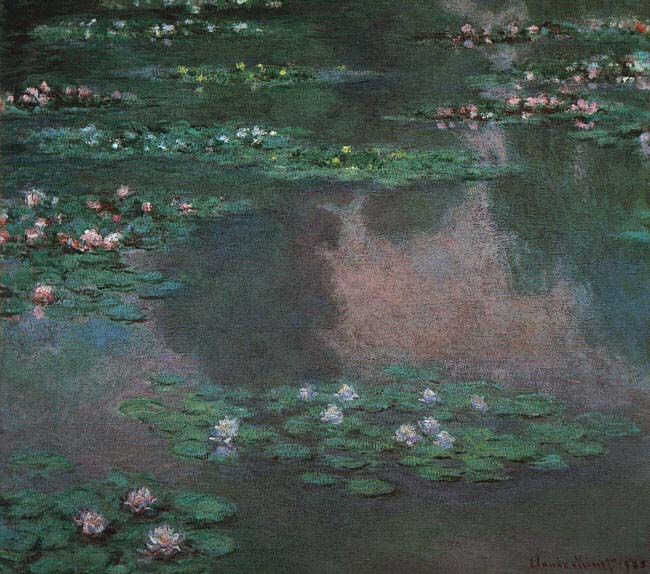
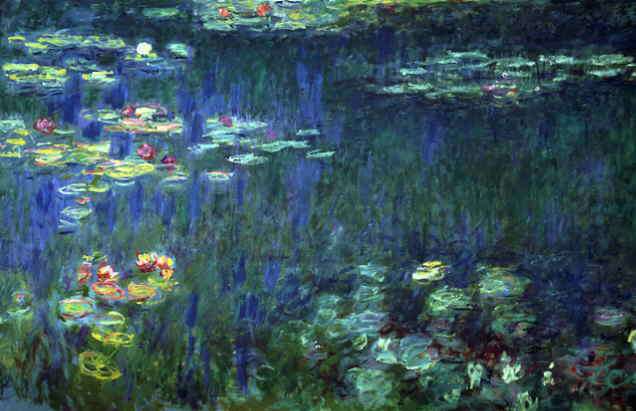
The Impressionist painters were faced with the difficult challenge of trying to capture an intense, fleeting impression of nature in true color and light. A painting was typically completed in a very short time frame to capture the true essence of light. The brush strokes were left as applied, emanating beauty and spontaneity within the painting.
 |
 |
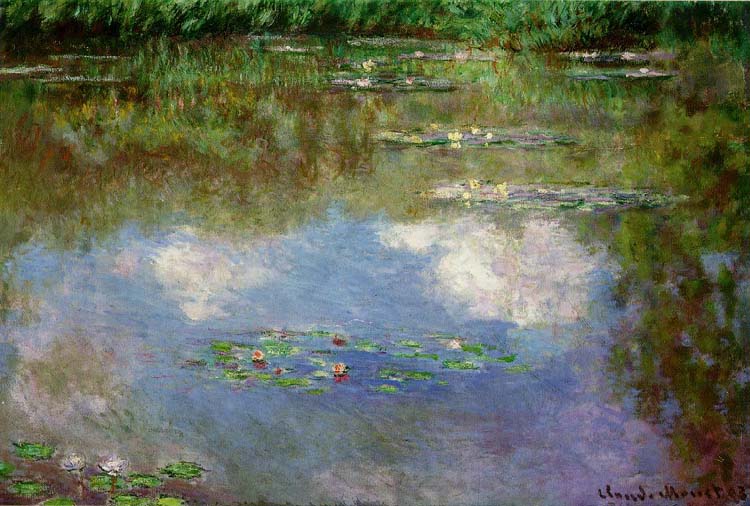 |
The perfect example is Monet's series of Water Lily paintings. Here the painter demonstrates the different moods of the changing seasons, the time of day, and the available light, as he captures the essence of a moment in time.
 |
 |
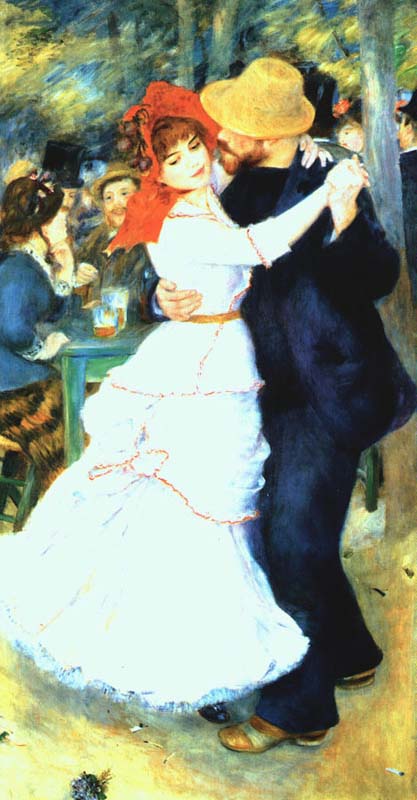 |
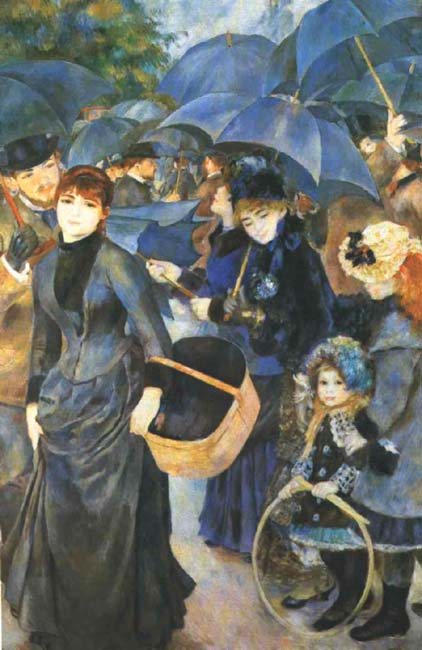
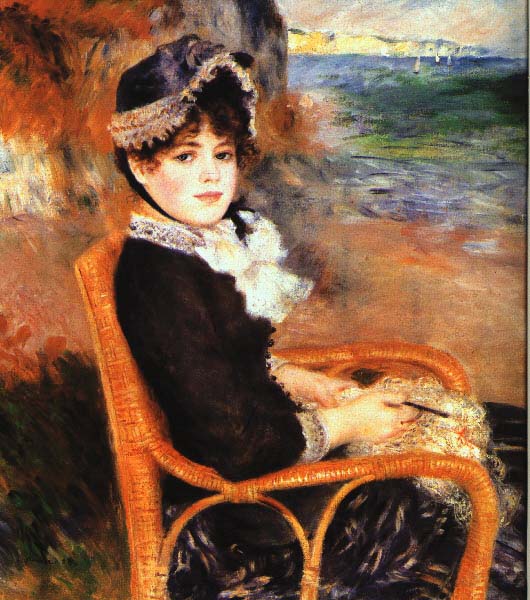
Renoir once said: "Why shouldn't art be pretty? There are enough unpleasant things in the world."
More than any of the Impressionists, he found beauty and charm in the modern sights of Paris. He does not go deep into the substance of what he sees, but seizes upon its appearance and grasping its generalities. "August Renoir, is perhaps the only painter", said Octave Mirbeau, "who never produced a sad painting."
 |
 |
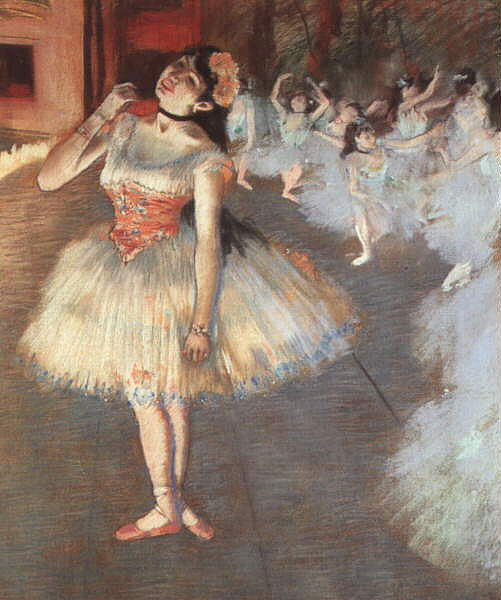 |
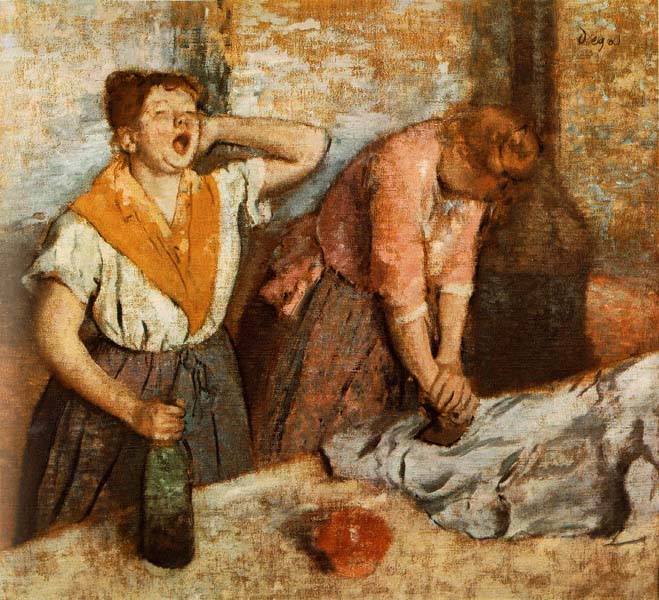
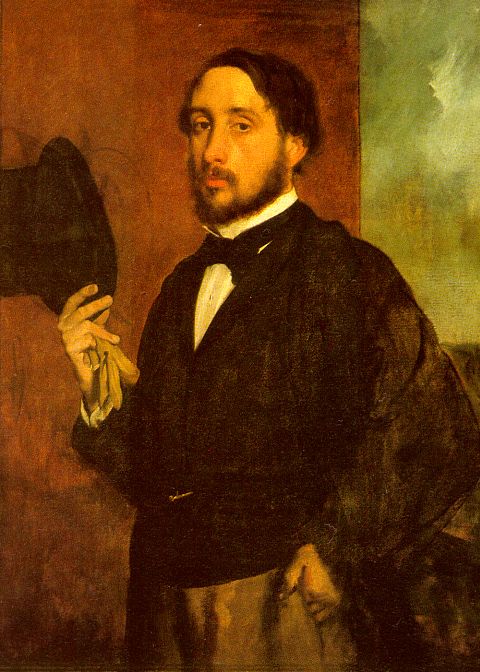
Edgar Degas did not fit the exact definition of Impressionism, but he was, nevertheless one of its dedicated driving force. With his eccentric view points he gave the human body a new interpretation. The hallmark of his art was the world of theatre, dance and music. Degas devoted most of his attention to ballerinas rehearsing or performing on stage.
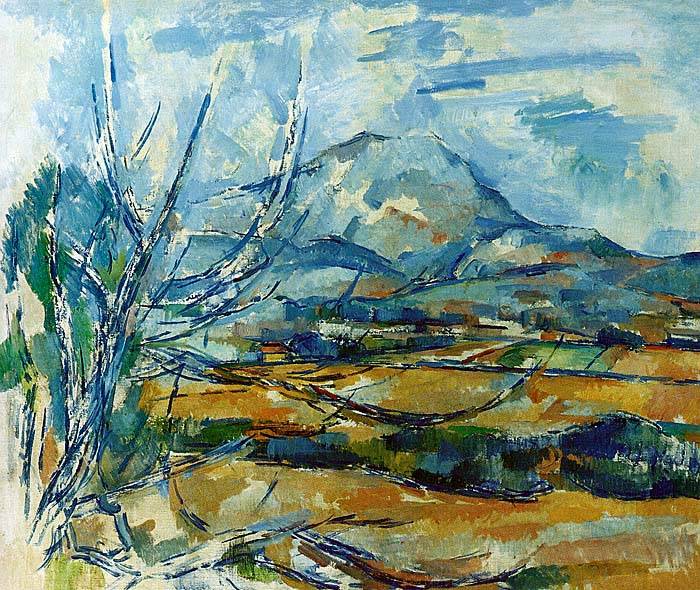
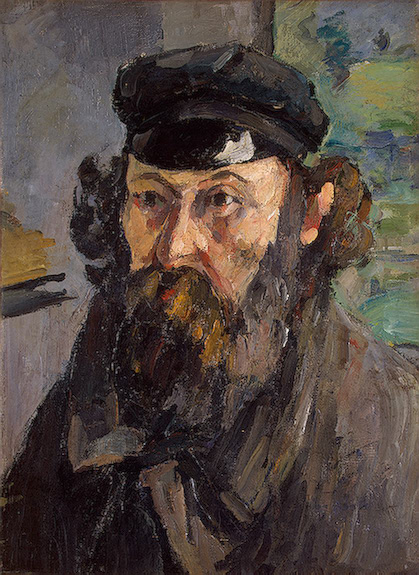
The term "Post-Impressionist" was coined in 1910 by an English critic Roger Fry, and it included the works by some of those generally known as "Impressionists": Paul Cézanne, Paul Gauguin, and Vincent van Gogh. There is no well-defined style of Post Impressionism, but in general it is less casual and more emotionally charged than Impressionist work.
 |
 |
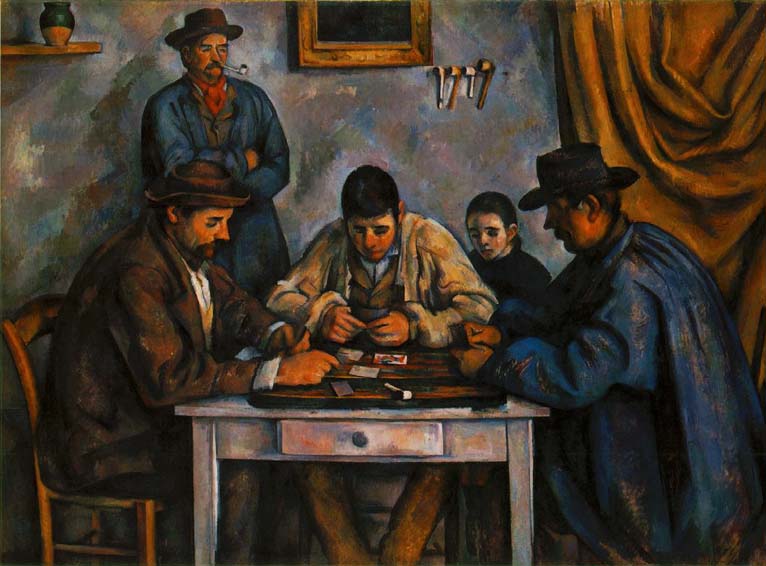 |
Paul Cézanne
was a key figure in the transition of 19th to 20th century art. He follod
his immediate interpretation of nature. He painted with a virile brush,
solidly or in the most delicate sparse watercolor, and he was equally
sure in both. He possessed a firm faith in spontaneous sensibility. He
could be passionate and cool, grave and light, but he was always honest.
 |
 |
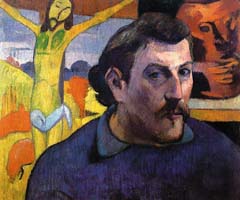
Paul Gauguin said, " ....don't copy nature too much. Art is an abstraction"
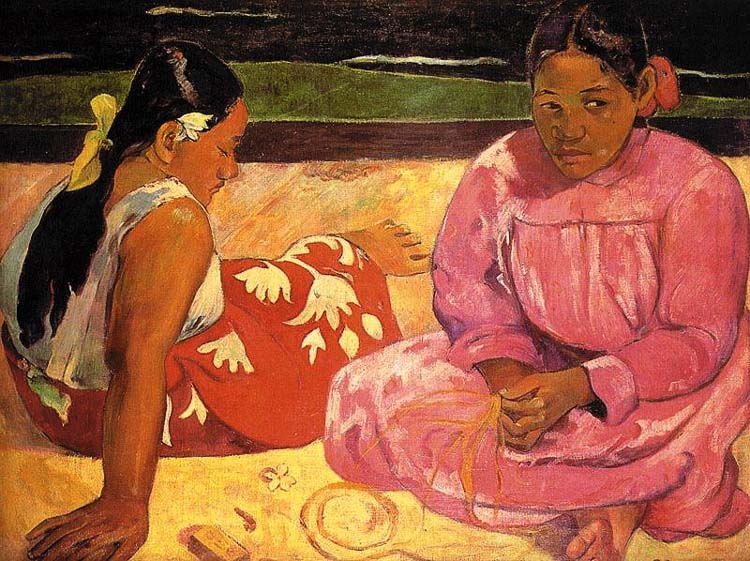
One of the leading French painters of the Post-Impressionist period. Gauguin abandoned imitative art for expressiveness through color. Gauguin's art has all the appearance of a flight from civilization, of a search for new ways of life, more primitive, more real and more sincere. The picture "Two Women on the Beach", was painted in 1891, shortly after his arrival in Tahiti. During his stay there Gauguin discovered primitive art, with its flat forms and the violent colors belonging to an untamed nature.
 |
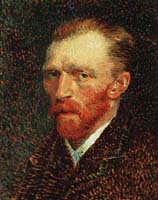 |
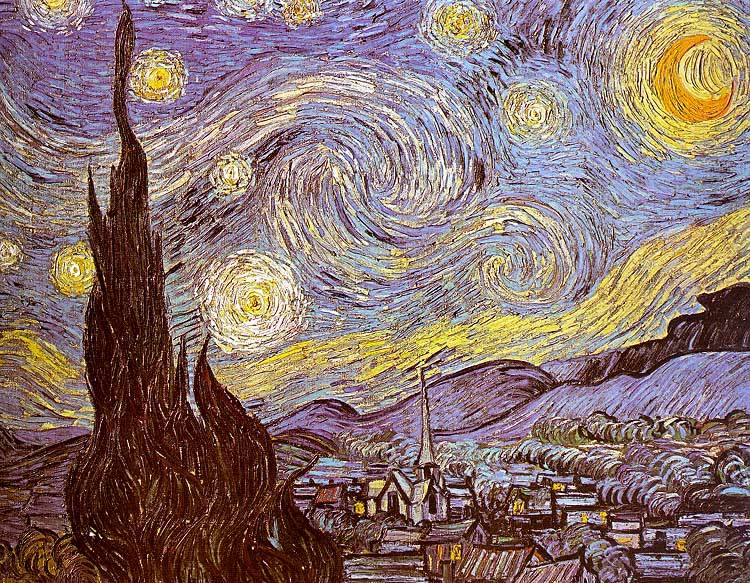
In the "Starry Night" everything swirls at night in St. Remy. It seems that the artist Vincent van Gogh has expelled his inner conflict onto a canvas. He used his intense colors and rhythmic brushstrokes to communicate the spiritual power he believed molded nature's expressive forms.
|
|
 |
 |
 |